
Text Structure
- Cause and Effect: Explains why something happened and what the results were.
- Compare and Contrast: Discusses the similarities and differences between two or more subjects.
- Sequence/Chronological Order: Presents events or steps in the order they occurred or in a specific timeline.
- Problem and Solution: Identifies a problem or challenge and proposes ways to solve it.
- Description: Provides detailed characteristics or information about a specific topic.
-
For readers:It helps with comprehension by providing a framework for the text's ideas. It also makes it easier to focus on key concepts and monitor understanding.
-
For writers:It helps frame the story or information they want to share in a way that is clear and easy for the reader to follow.
Text structures found in different text types
Narrative text is often the easiest for students to identify and understand. Most young readers are familiar with the language of stories (sometimes called “story grammar”) which typically includes the following components:
- Exposition: introduces the setting, characters, and conflict of the story.
- Rising action: introduces the challenges and obstacles that the characters face.
- Climax: the turning point of the story, where the conflict is resolved.
- Falling action: describes the aftermath of the climax, as the characters deal with the consequences of their actions.
- Resolution: ties up any loose ends and brings the story to a close.
Narrative texts can include many of the common text structures: description, cause-effect, chronology/sequence, and problem-solution.
Descriptive text mixes different text structures in creating a vivid, multi-sensory picture in the reader’s mind. The most common text structures found in descriptive text are description and compare-contrast.
Expository text can be more challenging for young readers than narrative text because it doesn’t follow a typical sequence of events unfolding over time. Expository texts can also include all five of the common text structures, requiring readers to identify which structure is being used and for what purpose.
Procedural or instructional text typically uses the chronology/sequence text structure to describe a step-by-step process.
Argumentative or persuasive text also mixes different text structures. The most common text structures found in argumentative text are description, cause-effect, compare-contrast, and problem-solution. Argumentative text usually follows this pattern:
- Claim: the main point of the argument — the statement that the author is trying to prove.
- Reasons: the supporting statements that the author uses to prove their claim.
- Evidence: the data or information that the author uses to support their reasons.
- Counterclaims: the opposing arguments that the author addresses.
- Rebuttals: the responses that the author provides to the counterclaims.
Description
The description text structure describes or explains a topic, idea, person, place, or thing to give the reader a mental picture.
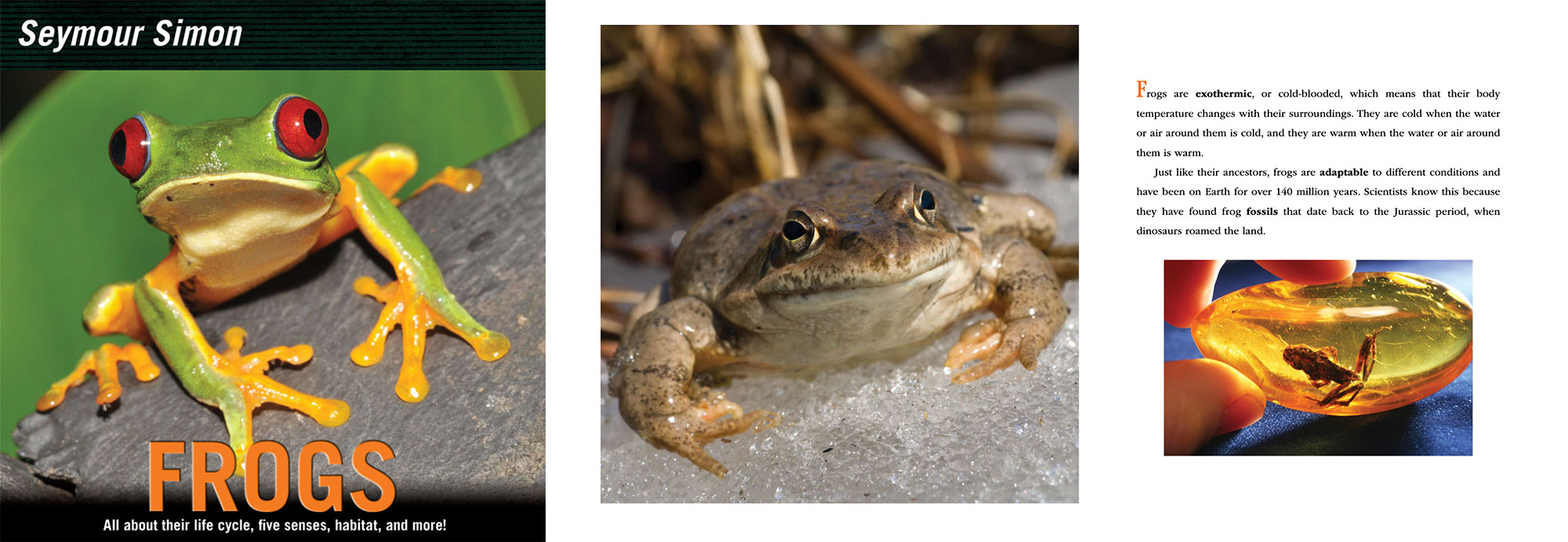
Examples: A book about animals describes the different kinds of whales and their habitats or the life cycle of frogs. A book about deserts describes the unique flora and fauna of that ecosystem.
Signal words, phrases, and questions
| Characteristic | Location | Appearance | Signal Questions |
|---|---|---|---|
| for example | in front of | looks like | What (things, people, events, components or steps) are described? |
| for instance | beside | seems | What does it look like? |
| such as | near | appears | What does it do? |
| is like | next to | gives the appearance of | How does it work? |
| including | on top of | ||
| to illustrate | below | ||
| behind |
Cause and effect
The cause and effect text structure tells why something happened (cause) and what happened (effect).
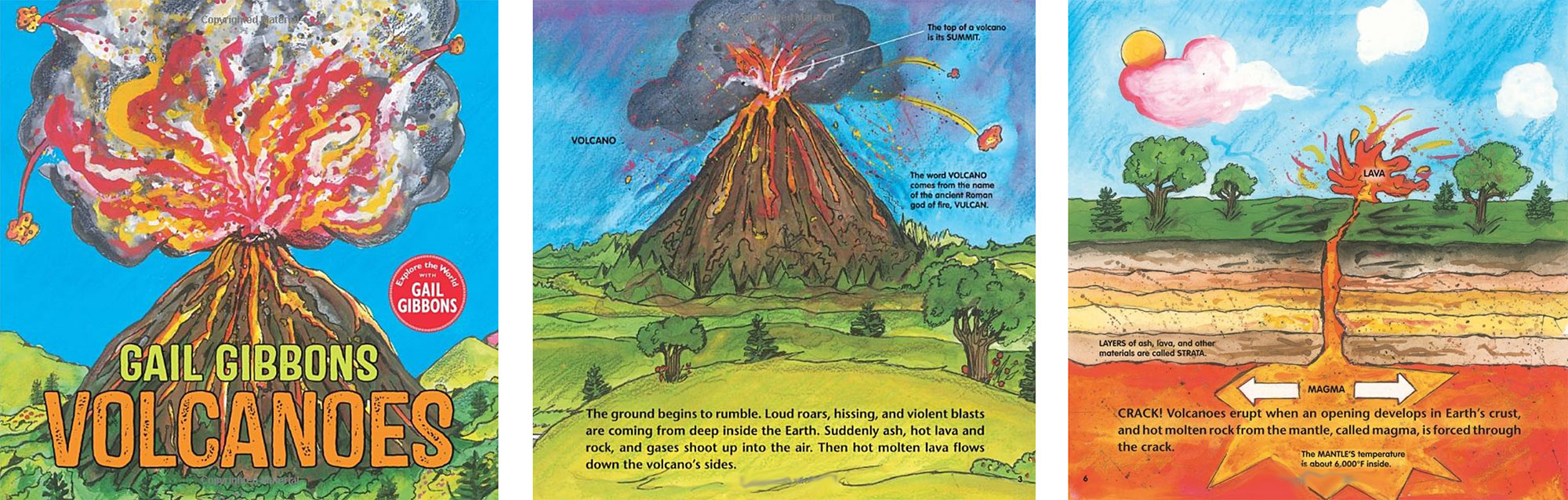
Examples: A book about weather shows how specific weather patterns can cause extreme weather such as a blizzard or a hurricane. A book about volcanoes describes how eruptions occur when an opening develops in the Earth’s crust and the molten (magma) is forced through the crack.
Signal words, phrases, and questions
| Signal Words or Phrases | Signal Questions |
|---|---|
| because | What happened? |
| as a result | What caused it to happen? |
| therefore | Why did it happen? |
| consequently | |
| hence | |
| thus | |
| for this reason | |
| due to |
Compare and contrast
The compare and contrast text structure examines the similarities and differences between two or more people, events, concepts, and ideas.
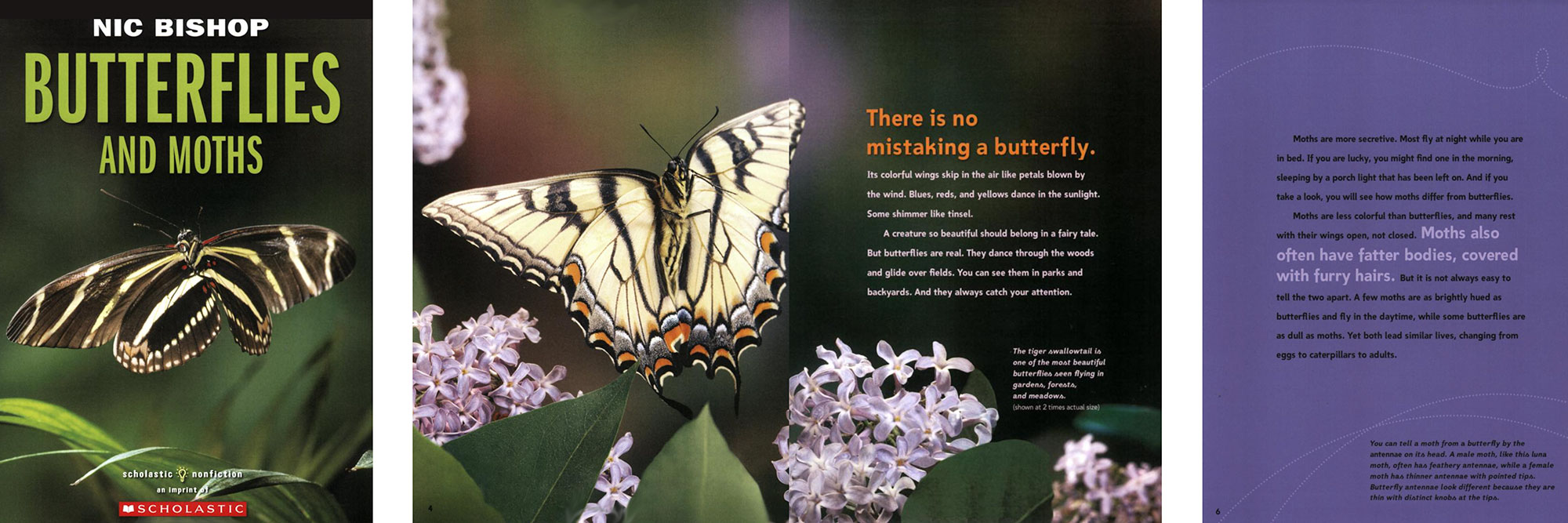
Examples: A book about ancient Greece explains how the Spartan women were different from the Athenian women. A book about moths and butterflies describes how they are similar and how they are different.
Signal words, phrases, and questions
| Compare | Contrast | Signal Questions |
|---|---|---|
| like | differ | What is being compared? |
| alike | but | How are they the same? |
| both | in contrast to | How are they different? |
| also | however | |
| similar | on the other hand | |
| too | unlike | |
| just like | ||
| just as |
Chronology/sequence
The chronology/sequence text structure describes items or events in order, or explains the steps to follow.
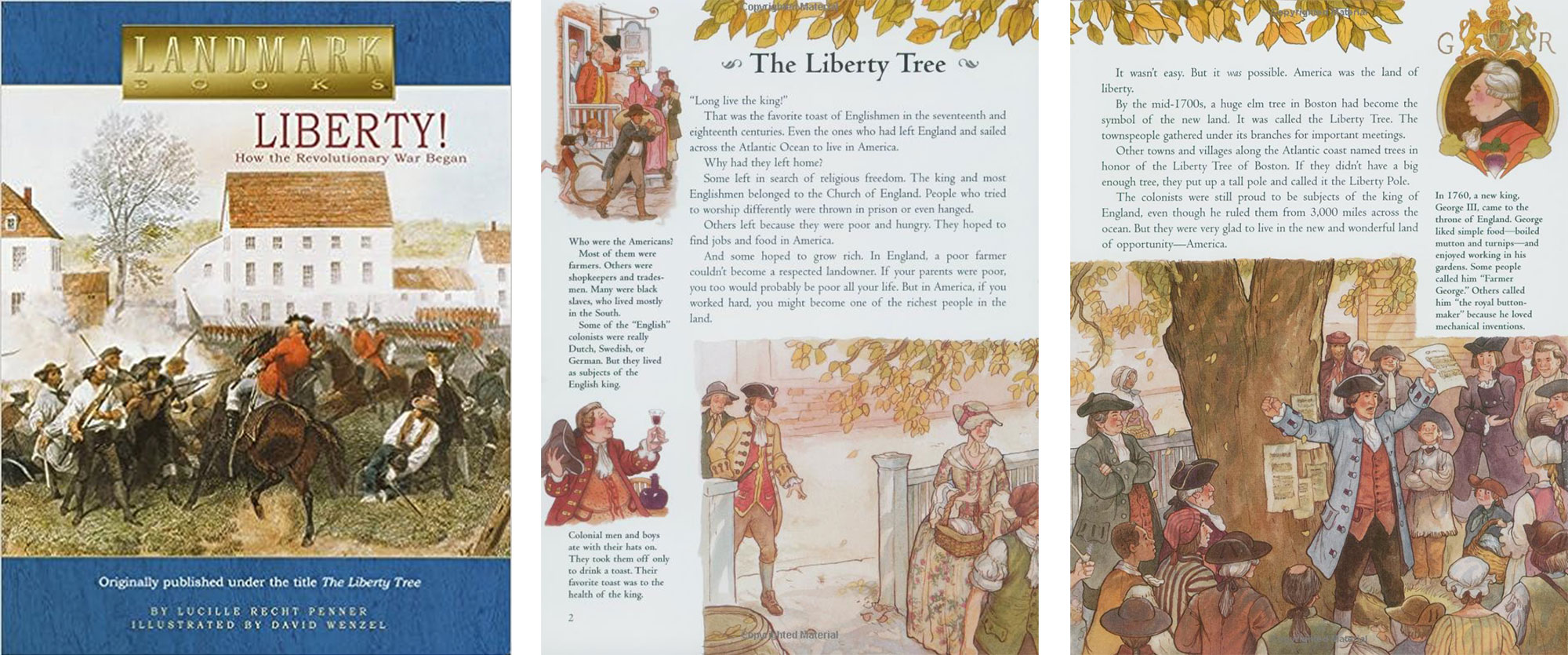
Examples: A book about the American revolution lists the events leading to the war. A book about bees explains how bees make honey.
Signal words, phrases, and questions
| Signal Words or Phrases | Signal Questions |
|---|---|
| first, second, third, etc. | What happened first, next, last? |
| next | What order or sequence did the author tell you about the people, events, or steps? |
| then | Do they have to happen in this order? |
| finally | |
| after | |
| before | |
| during | |
| while | |
| when |
Problem and solution
The cproblem and solution text structure sets up a problem or problems, explains the solution, and then discusses the effects of the solution.
Example: A book about climate change explains what causes it and what we can do to reverse the dangers.
Signal words, phrases, and questions
| Signal Words or Phrases | Questions and Answers | Signal Questions |
|---|---|---|
| problem is | who | What is the problem here? |
| dilemma is | what | Why is this a problem? |
| solution is | why | Does the author describe a solution? |
| one solution is | where | Is anything being done to try to solve the problem? |
| another solution is | when | What are some possible solution/s |
| to solve the problem | how | |
| in order to solve the problem | which | |
| do you know |
Additional tips for understanding text structure
- Pay attention to the title and headings. These often give clues about the text structure.
- Think about the purpose of the text. What is the author trying to communicate?
- Ask yourself questions. What are the main points of the text? How are the ideas connected?